
The History You Didnt Know You Needed
Long before discreet Amazon packages and neon-lit shelves at your local boutique, humans have been getting inventive when it comes to pleasure. From smooth stones carved thousands of years ago, to steam-powered “hysteria cure” devices in the Victorian era (seriously, that happened), to today’s Bluetooth-enabled, app-controlled marvels—you could say sex toys have always been ahead of their time.
This isn’t just about gadgets and gizmos—it’s about a universal truth: people have always looked for ways to make pleasure a little more exciting, a little more reliable, and sometimes… a little less lonely. And while the materials, technology, and marketing have changed, the goal hasn’t: better orgasms, with a side of creativity.
So buckle up (or… strap on), because we’re about to take a playful stroll through thousands of years of human ingenuity, lust, and laughter—all in the name of good vibrations.
Ancient Beginnings: Stones, Bones & Moans
If you thought sex toys were some modern invention dreamt up by Silicon Valley, think again. Archaeologists have uncovered smooth stone and carved bone objects shaped very suspiciously like dildos, some dating back over 28,000 years. That’s right—before written language, before the wheel, before your ancestors figured out fire pits weren’t just for mammoth steaks, they were already busy carving… well, let’s just say tools of a different kind.

Ancient cultures weren’t shy about innovation in the bedroom either. The Greeks documented the use of olisbos (basically leather dildos, often oiled up with—you guessed it—olive oil). Egyptians had their own records of pleasure aids, proving that even pharaohs and peasants agreed: pleasure was worth a little creativity.
And it wasn’t always stone or leather. Some early toys were crafted from wood (hopefully sanded very smooth), while others used bread dough hardened into makeshift plugs. Yes, bread. Imagine explaining that to your local baker: “One baguette, but make it double-duty, please.”
The lesson? Long before discreet shipping boxes and marketing jargon, humans were already experimenting, crafting, and giggling their way to climax. From caves to temples, pleasure has always found a way.
Medieval Myths & Discreet Pleasures
The Middle Ages are often painted as an age of chastity, prayer, and plague—but dig a little deeper (sometimes literally, in archaeological digs), and you’ll find that pleasure didn’t vanish under the shadow of the cathedral. People were still innovating, still experimenting, and still quietly smuggling desire past the moral watchdogs of the time.
Leather, Wood, and Household Disguises
Surviving records are rare (monks weren’t exactly logging their favorite gadgets), but there are hints that leather straps, padded harnesses, and carved wooden implements were being put to more creative use than saddles or kitchen utensils. A few artifacts, found in medieval digs across Europe, show objects shaped suspiciously like phallic stand-ins. Many were disguised to pass as everyday tools—after all, a smooth wooden cylinder could be a handle, a club… or something a little more personal.
The Chastity Belt Rumor
The infamous chastity belt—often portrayed as a spiked iron undergarment of torture—wasn’t as common as legend makes it sound. Many of the surviving “medieval” belts are actually Renaissance or even 19th-century curiosities. But stories persist that some belts were crafted with small cutouts or attachments, giving women a discreet way to “preserve purity” while still finding a spark of pleasure. Were they real? Hard to prove. But the myth itself tells us something: people have long suspected that even the most repressed eras had their private loopholes.
Erotic Manuals and Whisper Networks
Even literature points to a not-so-pious reality. Early medical and erotic texts—translated from Arabic sources like The Perfumed Garden—circulated in some parts of Europe by the late Middle Ages, offering frank advice on pleasure, positions, and yes, aids. While these books weren’t on display in every abbey library, they show that sexual curiosity was alive and well. Add in bawdy ballads, jokes, and folk stories, and it’s clear medieval culture wasn’t entirely chaste.
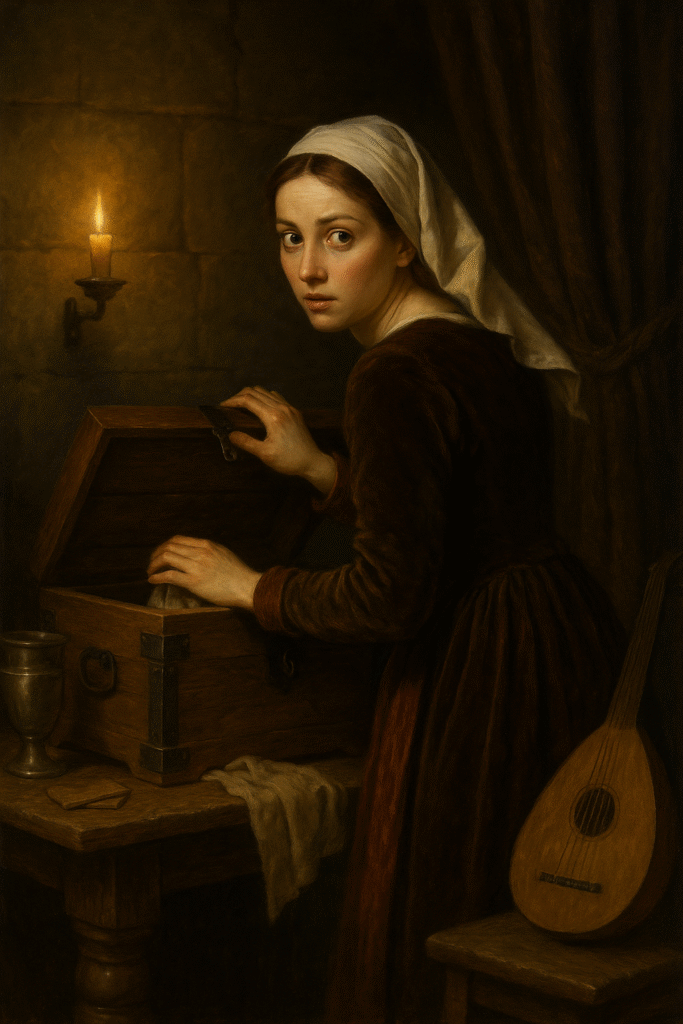
So while the Middle Ages may have lacked neon-lit toy shops, they weren’t devoid of toys. Instead, ingenuity flourished in secrecy. Behind locked shutters, under heavy tapestries, and with a lot of plausible deniability, medieval people proved once again that desire always finds a way—no matter how strict the sermon on Sunday.
The Victorian Vibes: Steam, Shock & “Medical Treatments”
Ah, the Victorians—masters of buttoned-up morality on the outside, but buzzing with contradictions behind closed doors. This was the age of industrial invention, stiff collars, and the birth of one of the most infamous sex toys in history: the vibrator.
The “Hysteria Cure”
In the 19th century, doctors commonly diagnosed women with “hysteria,” a catch-all condition for everything from nervousness to insomnia. The supposed cure? Pelvic massage to induce what was delicately called a “paroxysm”—in plain English, an orgasm. The process was time-consuming for physicians, so naturally, they turned to technology.
Enter the first vibrators: bulky contraptions powered by steam, hand-cranks, or early electricity. Some were so large they resembled sewing machines, with patients required to sit in the doctor’s office for “treatment.” Others eventually shrank enough to be marketed for at-home use—though they were advertised in catalogs as “health massagers” for aches, circulation, and muscle fatigue. (Wink, wink.)
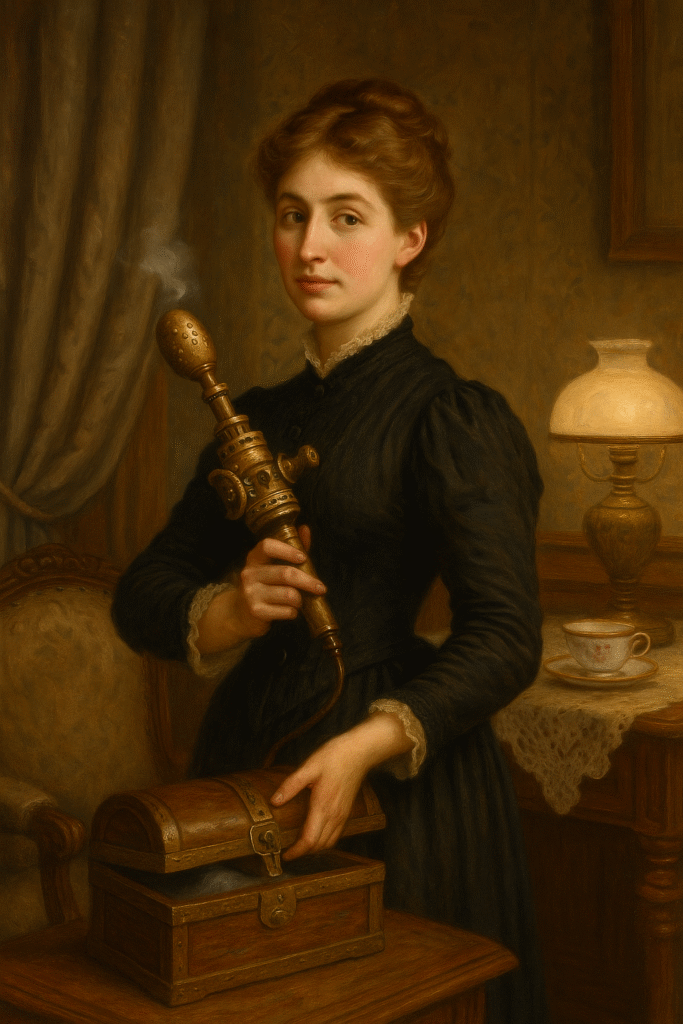
Steam-Powered to Plug-In
By the late 1800s, vibrators were among the very first household appliances to be electrified—appearing before vacuum cleaners and even irons. That means people could order a vibrator from Sears before they could order a toaster. Imagine unboxing that as a Victorian housewife: “Finally, my headaches are cured!”
The Taboo Curtain
Of course, nobody openly said these devices were about sex. Victorian society was notorious for wrapping desire in layers of euphemism. Yet the sheer popularity of these “health gadgets” tells us everything: repression on the surface, innovation in the boudoir.
So while Queen Victoria’s empire liked to look prim and proper, the invention of the vibrator proves the era was anything but dull. Behind lace curtains and parlor-room respectability, the Victorians were literally powering up the future of pleasure.
The Swingin’ 60s & 70s: From Taboo to Toy Aisle
By the time the 1960s rolled around, society was loosening up its ties—literally and figuratively. The sexual revolution, women’s liberation, and a cultural wave of “peace and love” cracked open the bedroom door. And with that came the mainstream debut of sex toys as actual consumer products, not just whispered-about curiosities.
From Dirty Secret to Mail-Order Delight
For the first time, vibrators, dildos, and erotic novelties began showing up in discreet catalogs. Mail-order shops promised “marital aids” shipped in plain brown packaging—perfect for curious suburbanites who didn’t want to raise eyebrows at the local post office.
The Rise of the Modern Sex Shop
The late 60s also saw the birth of sex shops as we know them today. While they were often tucked away in the seedier parts of town, they represented a cultural shift: sex toys weren’t just medical tools or secret DIY crafts anymore—they were consumer goods, sold openly (if not always proudly).
The Feminist Connection
Importantly, this was also the era when feminists began reclaiming sexual pleasure. Activists like Betty Dodson championed vibrators as tools of empowerment, teaching workshops on masturbation and self-love. Instead of being a doctor’s prescription or a dirty little secret, vibrators became symbols of autonomy.
Groovy, Baby
Pair all that with the cultural backdrop—free love, psychedelic experimentation, and a whole lot of flower power—and you’ve got a recipe for toys becoming more colorful, playful, and fun. Let’s just say, if the walls of a 1970s commune could talk, they’d probably hum.
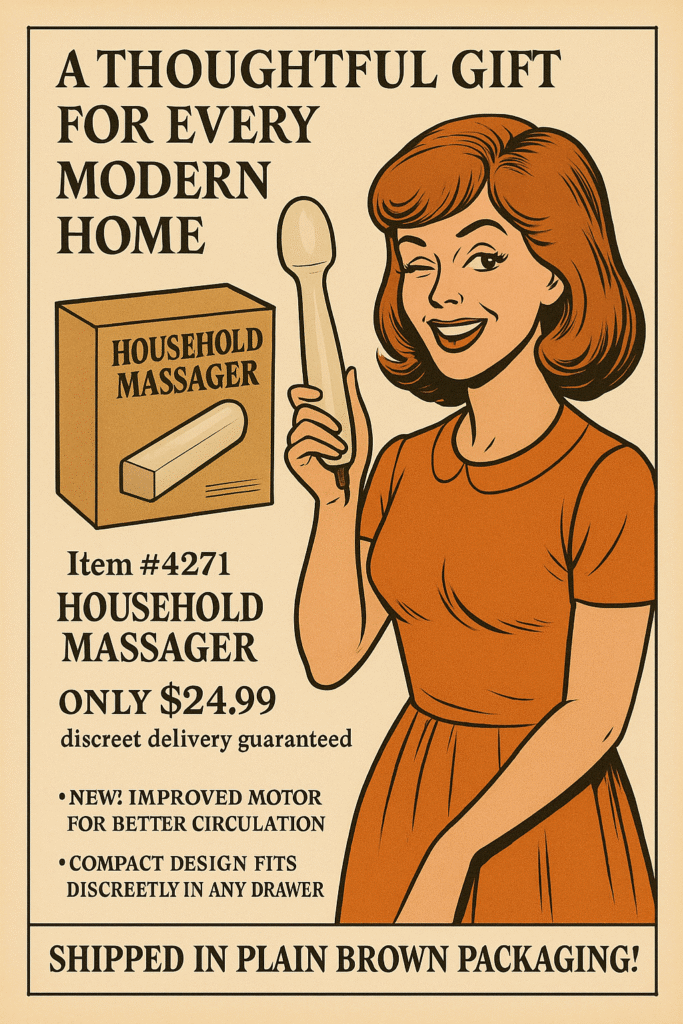
So while the Victorian era gave us gadgets disguised as “medical devices,” the 60s and 70s unapologetically turned sex toys into lifestyle accessories. What was once taboo was now groovy—and buzzing loudly under the tie-dye sheets.
The Tech Revolution: Silicone, Rechargeables & Internet Kinks
The Silicone Takeover
Up until the 1980s, most toys were made of rubber, jelly, or plastic—materials that weren’t exactly body-safe (and sometimes smelled like a tire shop). Enter silicone: smooth, hypoallergenic, easy to clean, and way more luxurious. Suddenly, sex toys felt less like novelty gag gifts and more like premium pleasure products.
Cordless, Rechargeable, Unstoppable
Next came the rechargeable revolution. Out went the drawer full of AA batteries (and the panic when you’d stolen them from the TV remote). Instead, toys were built with stronger motors, longer battery lives, and—eventually—USB charging. Because nothing screams “modern love” like plugging your vibrator into the same laptop you use for spreadsheets.
The Rabbit Goes Viral
In 1998, Sex and the City aired “The Turtle and the Hare” episode, and suddenly the world knew about the Rabbit Vibrator. Sales skyrocketed, women were openly talking about their favorite toys at brunch, and sex shops couldn’t keep up with demand. For the first time, vibrators weren’t just normal—they were pop culture.
The Internet Opens Pandora’s (Toy) Box
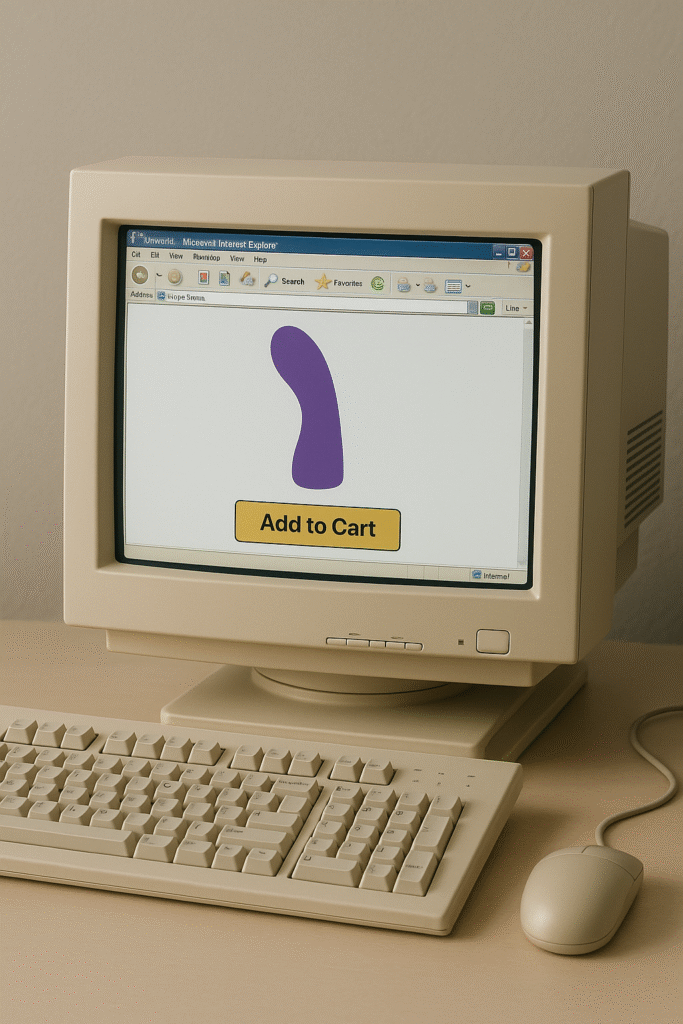
Meanwhile, the rise of e-commerce meant people could shop discreetly online. No more ducking into shady back-alley stores. With a few clicks, you could browse hundreds of toys and get them shipped to your door in plain packaging. The internet also fueled kink communities, allowing fetishes and fantasies to spread faster than ever before.
The result? By the early 2000s, sex toys had become not only mainstream but stylish. Silicone, rechargeable, viral on TV—suddenly, these weren’t “dirty” products anymore. They were sleek, high-tech, and proudly part of the sexual wellness conversation.
The Smart Toy Era: Bluetooth, Apps & Long-Distance Love
If the 90s and early 2000s made sex toys mainstream, the 2010s and beyond turned them into smart tech. Forget clunky vibrators and hidden catalogs—today’s toys sync with smartphones, stream music, and can even be controlled from another continent. Welcome to the WiFi-powered bedroom.
Bluetooth & App-Controlled Fun
Modern vibrators, masturbators, and couples’ toys often connect to your phone via Bluetooth. With a tap or swipe, you can adjust intensity, patterns, or even sync the vibrations to your playlist. (Yes, you can literally get off to Beyoncé’s “Drunk in Love” or Metallica’s “Enter Sandman” if that’s your thing.)
Long-Distance, No Problem
For couples separated by geography, “teledildonics” (yep, that’s the real term) changed everything. Using WiFi and specialized apps, a partner in New York can control a toy in London in real time. Suddenly, long-distance relationships got a lot more… interactive.
Cam Models & Interactive Toys
The adult entertainment industry quickly adopted the tech. Cam models often sync toys to tips or patterns, letting viewers control the action from home. It’s the ultimate in digital intimacy—half performance, half participation.
Smart Features & AI Kinks
We’re also seeing toys with biometric sensors that adapt to your body’s reactions, or AI-driven apps that “learn” your preferences. Some even integrate with VR headsets, creating fully immersive fantasy environments. The line between video game and sex toy is getting blurrier by the minute.
From Gadget to Lifestyle
With sleek designs, luxury branding, and features that would make a tech startup jealous, modern sex toys aren’t just about orgasms—they’re about wellness, intimacy, and connection. They’ve officially moved from the “novelty” shelf to the “lifestyle” category.
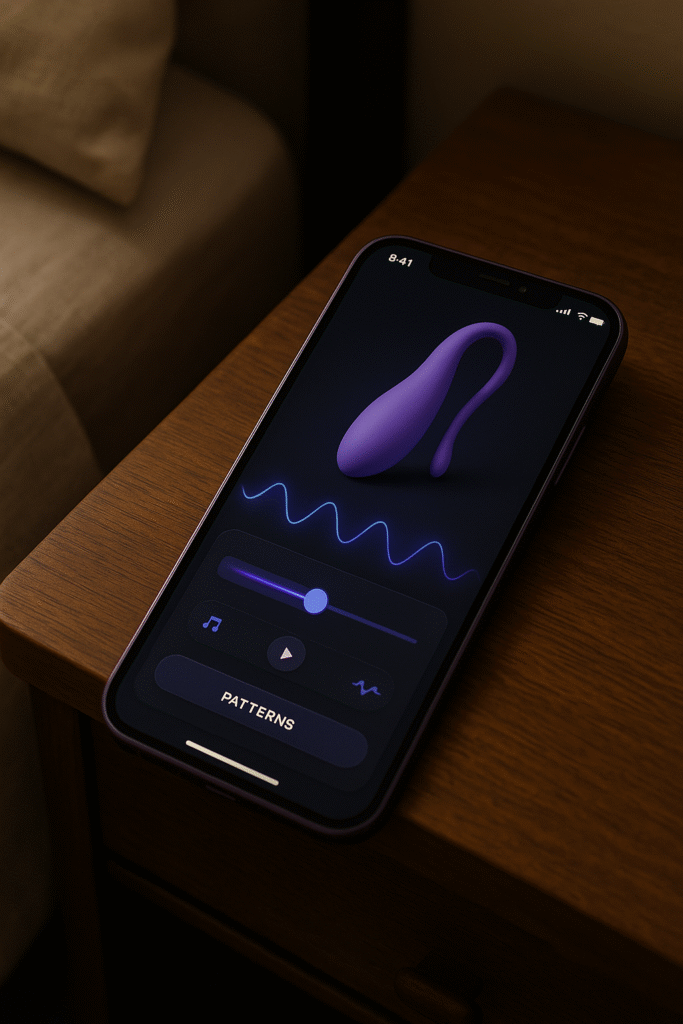
In short: the future of sex toys isn’t just buzz-worthy—it’s programmable, customizable, and maybe even smarter than your phone.
The Conclusion – From Cave Walls to Cloud Sync
From carved stone tools buried in Ice Age caves to app-controlled vibrators that can be synced across continents, one thing is crystal clear: humans have always found creative ways to chase pleasure. Sex toys aren’t some quirky modern fad—they’re part of our shared history, evolving alongside fire, wheels, and WiFi.
What’s changed is the context. Where ancient toys were improvised from bone, bread, or leather, today’s gadgets are body-safe, stylish, and sold proudly as part of sexual wellness. What was once taboo is now discussed in magazines, on TikTok, and even over brunch.
But the core hasn’t changed at all: whether you were a Greek philosopher with an oiled-up olisbos, a Victorian lady unboxing her “medical massager,” or a digital nomad syncing your toy over Zoom, the mission has always been the same—pleasure, empowerment, and maybe a little fun along the way.
So next time you open that discreet box on your doorstep, remember: you’re not just unwrapping a toy—you’re holding the latest chapter in a very long, very cheeky story of human ingenuity. And judging by the pace of innovation, the next chapter will be even wilder, buzzier, and smarter.
The future of sex toys? Let’s just say it looks bright… rechargeable… and probably voice-activated.